



SELECTED OFFERS
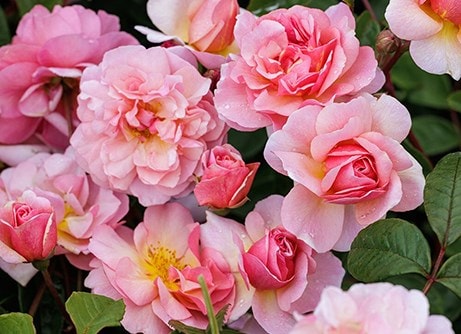
RHS Summer Favourites
Bring lasting summer colour to your garden with savings on RHS favourites.
Shop now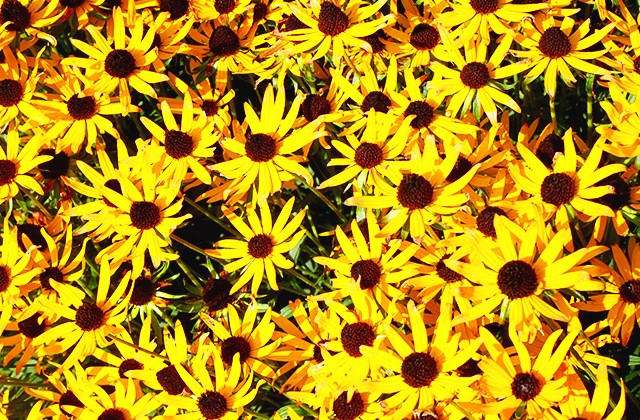
Welcome to RHS Plants
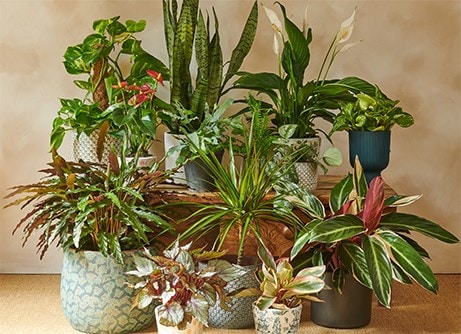
Explore our wide range of plants, tools, gifts and more. Every purchase with RHS Plants helps fund our charitable work, like offering free schools visits to thousands of children and our leading climate change research - thank you. All plants sold by RHS Plants are No New Peat - helping you garden more sustainably with trusted, high quality planet friendly plants.
Father's Day Gifting
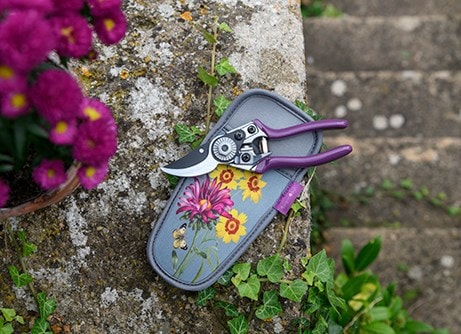
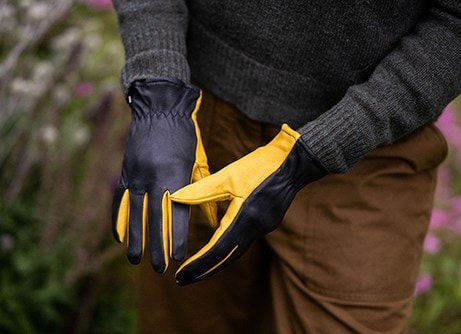
Gifts for him
Thoughtful gifts for him, inspired by a love of gardens and nature.
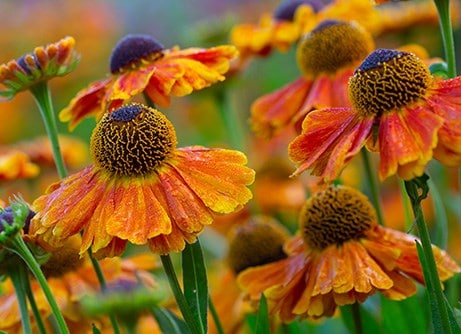
Summer colour
Bring your garden to life with colour this June.
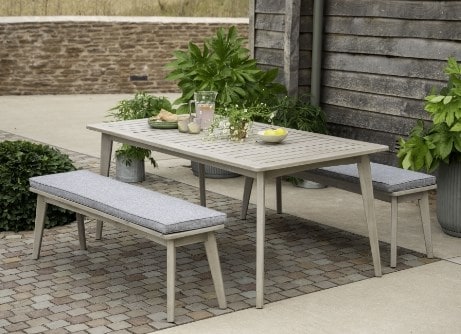
Barbecues and pizza ovens
Elevate outdoor entertaining with BBQs and pizza ovens.
Shop by category




Planet friendly plants
In a move towards mitigating climate change and protect habitats, all RHS Garden Centres and RHS Plants online will sell only ‘no new peat’ plants from 1 January 2026. Read more about this initaitive here.
The Garden Magazine
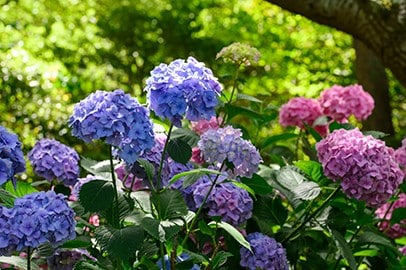
Hydrangeas
Add long-lasting colour and structure to your garden with hydrangeas.
Shop the Garden Magazine
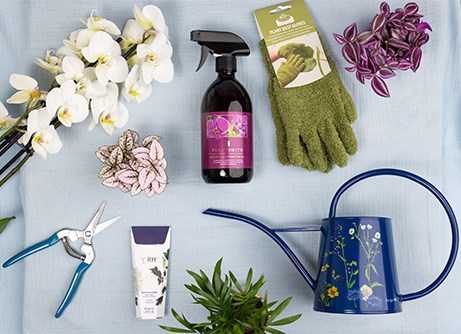
Shop products featured in The Garden magazine this month.
Plants for birds
The right plants can provide food and shelter to attract a vast array of birds. Shop the range here.


