Kitchen garden
- Harvest sweet corn; the kernels contain a milky liquid when ripe.
- Lift and harvest main crop potatoes; storing them in a cool dry place for future use.
- Sow fast growing oriental greens such as tatsoi, pak choi and mizumi.
- Plant sets of overwintering onions.
- Strawberry plants can be established before the winter.
- Sow late salad crops of lettuce and spinach for picking leaves next spring.
- If your soil is heavy clay dig this month to allow time for weathering which will improve its structure in readiness for planting next year.
- Extend the cropping season of runner beans and courgettes by picking regularly.
Glasshouse & Indoors
- Clean the greenhouse thoroughly removing moss, grime and algae to reduce potential for pests and fungal infection of greenhouse plants
- Reduce shading in the greenhouse to now that the sun’s strength is waning.
- Make room for lifted tender plants and bring them into the glasshouse.
- Early September is the last opportunity for forcing bulbs for indoor Christmas flowers.
- Remove leaves from below bottom truss on tomatoes to reduce disease.
Pest, disease and disorder watch
- Encourage insect eating birds to visit your garden regularly by installing a feeding station.
- Biological treatment of vine weevil larvae using nematodes, can still be undertaken this month
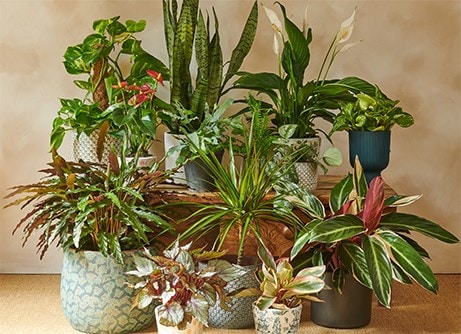
- With cooler conditions this month, water indoor plants early in the day so that leaves are dry by nightfall and so minimise the risk of fungal infections.
|
Trees and shrubs
- Start the planting of trees and shrubs at the end of the month for establishing while the soil is still warm.
- Shrubs may be lifted at the end of the month if required and re-sited elsewhere in the garden
Flower garden
- Plant daffodil bulbs for spring flowering.
- Tackle bindweed and other perennial weeds by treating them with glyphosate
- Semi-ripe cuttings of many shrubs may be taken now.
- Take cuttings of half-hardy or tender plants and overwinter the young plants under cover.
- Hardy annuals such as sweet peas can be sown this month for stronger flowering plants next year
Ponds and water features
- Where possible, cover garden ponds with netting to prevent falling leaves polluting the water.
- Thin out congested aquatic plants such as fast growing oxygenators this month.
|