









raspberry 'Polka' (PBR)
raspberry Polka - primocane (mainly autumn fruiting)



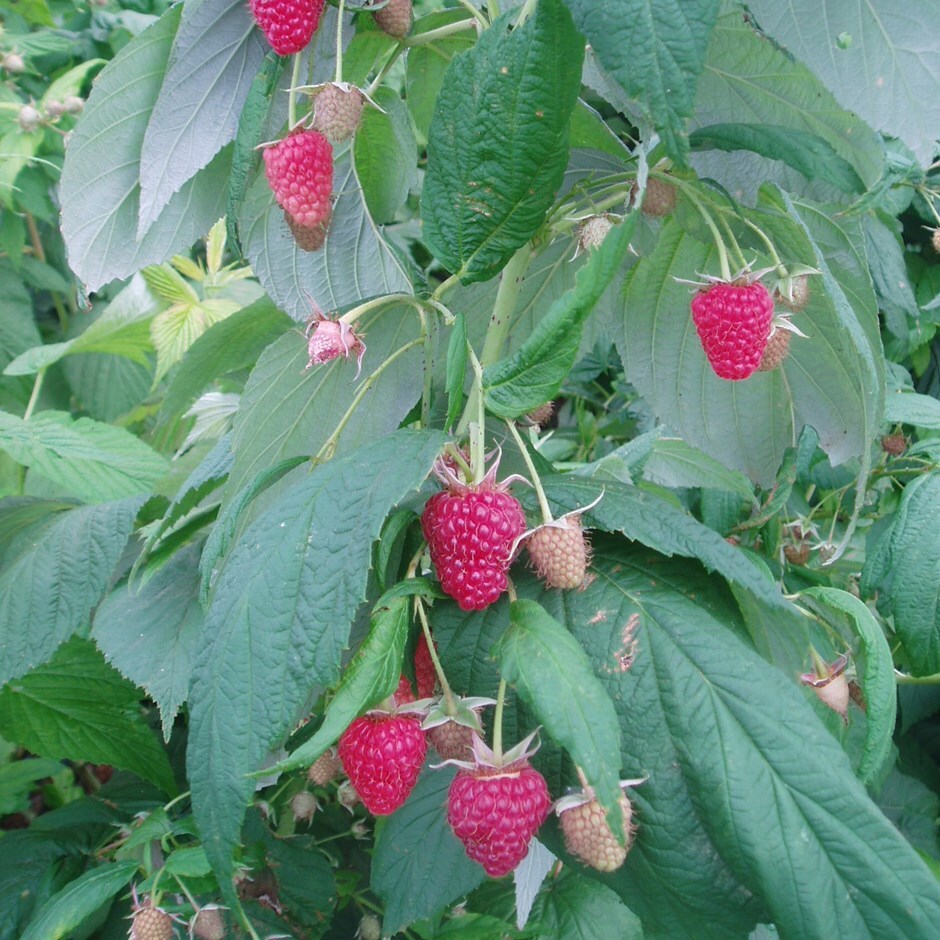
A primocane raspberry, which has the potential to produce two crops in a year. In late spring and early summer, fruit is borne on the previous years stems, while in late summer and autumn, fruit is developed on the current years stems.
'Polka' is renowned for the exceptional quality and consistency of its fruit, they are large, have a fresh flavour and an outstanding shelf life. The plants also show a good resistance to disease. Large, delicious raspberries from mid summer until the first frosts; the canes require little support
'Polka' is renowned for the exceptional quality and consistency of its fruit, they are large, have a fresh flavour and an outstanding shelf life. The plants also show a good resistance to disease. Large, delicious raspberries from mid summer until the first frosts; the canes require little support
How to care for raspberry Polka (PBR):
Supplied as bare-root canes, autumn-fruiting primocane raspberries need a sunny, well-prepared site. Before planting, soak the roots in a bucket of water for about 30 minutes. Prepare the ground well, removing all perennial weeds and adding plenty of well-rotted garden compost or manure. Autumn types are shorter and bushier, so they may need less height than summer-fruiting types, but all will benefit from a support. For larger plantings, hammer in two sturdy stakes about 3m (9ft) apart and string two or three heavy-gauge wires between them. In smaller gardens, a fence or single tree stake is sufficient.
Dig a wide, shallow trench and sprinkle with bonemeal. Plant the canes 45cm (18in) apart, with 1.8m (6ft) between rows, spreading the roots carefully and backfilling with soil at the same depth as the old soil mark. After planting, cut the canes back to around 15cm (6in) above ground and apply a generous layer of mulch in spring.
As new canes emerge, tie them to the support as they grow. Feed during the growing season with a general-purpose fertiliser and water regularly in summer. Protect ripening fruit from birds if necessary.
Pruning for autumn fruit only: Cut all canes to just above ground level each February.
Pruning for two crops per year (primocane method): After the autumn fruiting tips have finished, cut the new spring stems just below the fruiting section. Leave these half-canesc to overwinter; they will put on new growth in spring and produce an early summer crop. After fruiting, cut these canes to the base. Meanwhile, new spring canes will emerge from the base, which should be tied to the support as they grow. These will produce the later autumn crop, and their tops should be lopped off after fruiting. Repeat this cycle each year for two harvests.
Dig a wide, shallow trench and sprinkle with bonemeal. Plant the canes 45cm (18in) apart, with 1.8m (6ft) between rows, spreading the roots carefully and backfilling with soil at the same depth as the old soil mark. After planting, cut the canes back to around 15cm (6in) above ground and apply a generous layer of mulch in spring.
As new canes emerge, tie them to the support as they grow. Feed during the growing season with a general-purpose fertiliser and water regularly in summer. Protect ripening fruit from birds if necessary.
Pruning for autumn fruit only: Cut all canes to just above ground level each February.
Pruning for two crops per year (primocane method): After the autumn fruiting tips have finished, cut the new spring stems just below the fruiting section. Leave these half-canesc to overwinter; they will put on new growth in spring and produce an early summer crop. After fruiting, cut these canes to the base. Meanwhile, new spring canes will emerge from the base, which should be tied to the support as they grow. These will produce the later autumn crop, and their tops should be lopped off after fruiting. Repeat this cycle each year for two harvests.
Eventual height:
1.8m
Eventual spread:
1.8m
Position:
Full sun
Rate of growth:
Average
Soil:
Moderately fertile, moist, well-drained soil
Hardiness:
Fully hardy
-
 This plant is deciduous so it will lose all its leaves in autumn, then fresh new foliage appears again each spring.

3 litre pot
£19.99
available to order from spring
Unavailable
5 × bare root canes
was £17.99
now £10.79
£2.16 each
available to order from spring
Unavailable
10 + 5 FREE bare root canes
was £35.98
now £21.59
£1.44 each
available to order from spring
Unavailable
1


