




Skip to content
Seasonal jobs for the month: February
1. To prepare for early vegetable crops warm the soil before sowing, covering seed beds with polythene or cloches.
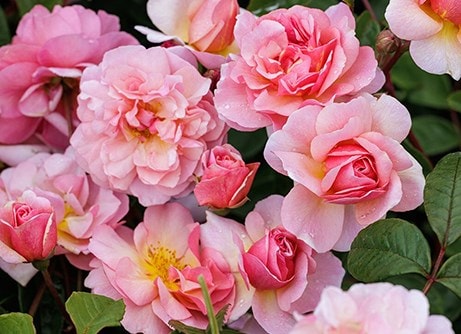
2. Complete pruning of climbing roses and rose bushes before new growth becomes too strong
3. Prune mahonia once flowering is finished by removing spent flowers at their bases. Overlong shoots can be cut back at this time of year.
4. Cut back ornamental grasses and other perennials left for winter interest, pulling out dead flower stalks.
5. Lift and divide clumps of herbaceous perennials if the weather is mild enough to allow the soil to be worked. Replant immediately wherever possible.
6. Apply a general-purpose fertiliser to tree, bush and cane fruit.

Kitchen garden

  • Sow peppers and chillies and glasshouse tomatoes and cucumbers at 21C. If your greenhouse is unheated wait until March.
  • Force rhubarb by covering the crowns with straw and covering with a container to exclude light.
  • Complete planting of bare-rooted fruit trees and bushes.
  • Sow vegetables under cover for planting out under cloches next month.
  • In mild areas sow broad beans, cabbage, carrots, parsnip, beetroot, radish, peas, spinach outside under cloches once weed seeds start to germinate.
  • For blackcurrants prune out a quarter of the older growth at ground level. On gooseberries and red- and white currants shorten new growth by half and cut back side-shoots to two or three buds of the main stem.
  • Plant spring garlic before the end of the month, 15cm apart and 2cm deep. Also plant onion and shallot sets.
  • Prune autumn raspberries cutting all canes down to the ground.
  • Order asparagus crowns and start preparing the beds for planting.
  • Chit early seed potatoes in a light, cool but frost-free place. Stand in trays with the ‘eye’ end uppermost.

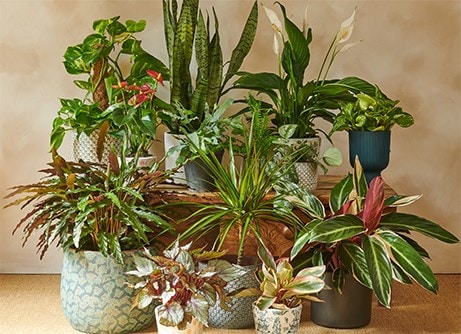
Glasshouse & Indoors

  • Topdress citrus trees in pots with fresh potting compost and repot if necessary.
  • Cut back overwintered Fuchsia, Pelargonium and Salvia to encourage new growth.
  • Pot up cuttings of tender perennials such as verbena and Argyranthemum taken last summer.
  • Prune conservatory climbers such as Plumbago, passionflower and jasmine.
  • Pot up begonias and gloxinias, hollow side up.
  • Sow gazania, hollyhocks, lobelia and other slow developing seedlings in propagators with additional heat.

Ornamental garden

  • Sow sweet peas in a cold frame. Pot on those sown in the autumn.
  • Start dahlia tubers into growth in trays or individual pots in a light, warm place.
  • Prune summer flowering deciduous shrubs such as buddleja that flower on current year’s growth.
  • Prune hard back shrubs such as Salix and Cornus grown for their winter stems.
  • Prune wisteria and Campsis by cutting back the sideshoots to two or three buds.
  • Cut back late-summer flowering (Group 3) clematis to the lowest pair of strong buds about 20cm above ground level.
  • Complete planting of deciduous trees, shrubs and hedging if the ground is workable.

Pest, disease and disorder watch

  • Protect shoots of newly emerging herbaceous perennials from slugs and snails.
  • Remove diseased leaves on overwintering glasshouse plants and check for aphids.
  • Net fruit crops to reduce damage to buds by birds such as bullfinches.
  • Check stored Canna and Dahlia for storage rots.
  • Moles start to become active at this time of year.
  • Remove pansy leaves showing signs of downy mildew or black spot.
  • Fusarium patch or snow mould may be a problem in wet weather, particularly on lush turf.

Lawns and meadows

  • Service mowers – sharpen blades, check cables of electric mowers.
  • In mild areas lawns may need mowing. Set the blades high and use the grass collection box.
Back to top