



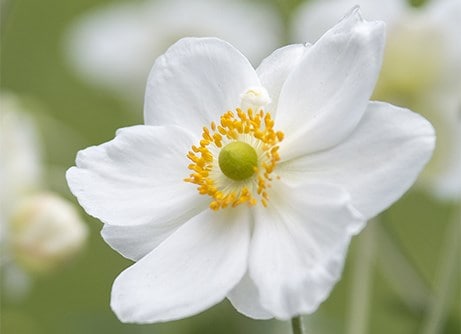



Rosa Golden Parfum de Provence ('Meifazedal') | Hybrid Tea Rose
Rose Golden Parfum de Provence (hybrid tea)



Intense fragrance and substantial golden blooms give this Hybrid Tea plenty of presence. Each flower can reach around 13cm (5in) across and is built from approximately 40 petals, with bright yellow upper surfaces and paler yellow reverses creating subtle tonal variation as the flower opens.
Rather than always appearing singly, the blooms of Rosa ‘Golden Parfum de Provence’ (syn. ‘Meifazedal’) can be carried in small groups of two to five, creating a generous display from June through to October. Its rich fragrance combines a classic rose character with distinctly fruity apricot notes, making this an excellent choice for anyone looking for an intensely fragrant yellow rose.
The plant grows with a healthy, vigorous habit and has particularly good disease resistance, helping to make it less demanding than its luxurious flowers might suggest. Repeat flowering brings fresh blooms through summer and well into autumn, while the clear yellow colouring works easily in both traditional rose borders and mixed planting.
Those large, fragrant flowers are also well suited to cutting, so a few stems can be enjoyed indoors throughout the season. With its combination of strong fruity perfume, repeat flowering and dependable garden performance, ‘Golden Parfum de Provence’ is a practical Hybrid Tea for gardeners who want both scent and sizeable flowers.
All our roses are grown in an open field and then dug up when the weather conditions are right in October or November. Some suppliers send out their roses as 'bare root' plants (i.e. without pots or compost), but we pot ours up as it helps to keep the roots hydrated and in good condition. As they are dormant throughout the winter, they will not produce any new roots until spring, so don't be surprised if the compost falls away from the roots when you take them out of their pots.
The roses can be kept in their pots throughout the winter provided they are kept well fed and watered, however ideally they should be planted out as soon as possible. They will already have been cut back so no further pruning will be required, apart from snipping off any tips that have died back. Routine pruning can begin in late winter the year after planting.
Rather than always appearing singly, the blooms of Rosa ‘Golden Parfum de Provence’ (syn. ‘Meifazedal’) can be carried in small groups of two to five, creating a generous display from June through to October. Its rich fragrance combines a classic rose character with distinctly fruity apricot notes, making this an excellent choice for anyone looking for an intensely fragrant yellow rose.
The plant grows with a healthy, vigorous habit and has particularly good disease resistance, helping to make it less demanding than its luxurious flowers might suggest. Repeat flowering brings fresh blooms through summer and well into autumn, while the clear yellow colouring works easily in both traditional rose borders and mixed planting.
Those large, fragrant flowers are also well suited to cutting, so a few stems can be enjoyed indoors throughout the season. With its combination of strong fruity perfume, repeat flowering and dependable garden performance, ‘Golden Parfum de Provence’ is a practical Hybrid Tea for gardeners who want both scent and sizeable flowers.
All our roses are grown in an open field and then dug up when the weather conditions are right in October or November. Some suppliers send out their roses as 'bare root' plants (i.e. without pots or compost), but we pot ours up as it helps to keep the roots hydrated and in good condition. As they are dormant throughout the winter, they will not produce any new roots until spring, so don't be surprised if the compost falls away from the roots when you take them out of their pots.
The roses can be kept in their pots throughout the winter provided they are kept well fed and watered, however ideally they should be planted out as soon as possible. They will already have been cut back so no further pruning will be required, apart from snipping off any tips that have died back. Routine pruning can begin in late winter the year after planting.
How to care for Rosa Golden Parfum de Provence ('Meifazedal') (HT):
If planting in winter, choose a frost-free spell when the soil is not frozen. Roses are quite deep-rooted plants so dig a deep hole roughly twice as wide as the plant's roots and mix in a generous amount of composted organic matter. A top-dressing of a general purpose fertiliser can be worked into the surrounding soil and we also recommend using Rose Rootgrow at this stage to encourage better root development. This is particularly important when planting into a bed where roses have previously been grown as Rose Rootgrow is said to combat rose sickness (aka replant disease).
Remove the plants from their pots and gently spread out the roots before placing them in the centre of the hole. Try to ensure that the 'bud union' (the point where the cultivated rose has been grafted onto the rootstock, and from where the shoots emerge) is at soil level. You can judge this quite easily by laying something flat, like a spade handle or bamboo cane, across the top of the hole. When they are at the right height, back-fill the hole, firming the soil down gently before watering the plant well.
Water generously until well established, and apply a specialist rose fertiliser (following the manufacturer's instructions) each spring. They will also benefit from a generous mulch of composted farmyard manure in spring, but make sure this is kept away from the stems.
While wearing tough gloves, prune in late winter or early spring, removing any dead, damaged or weak-looking stems completely. The younger stems tend to produce the best flowers, so if the plant is becoming congested, cut one or two of the older stems right back to their base, which will also help open up the centre of the plant. Then cut back the most vigorous stems to within 25-30cm (10-12in) from the base, and the thinner stems back a little harder.
Remove the plants from their pots and gently spread out the roots before placing them in the centre of the hole. Try to ensure that the 'bud union' (the point where the cultivated rose has been grafted onto the rootstock, and from where the shoots emerge) is at soil level. You can judge this quite easily by laying something flat, like a spade handle or bamboo cane, across the top of the hole. When they are at the right height, back-fill the hole, firming the soil down gently before watering the plant well.
Water generously until well established, and apply a specialist rose fertiliser (following the manufacturer's instructions) each spring. They will also benefit from a generous mulch of composted farmyard manure in spring, but make sure this is kept away from the stems.
While wearing tough gloves, prune in late winter or early spring, removing any dead, damaged or weak-looking stems completely. The younger stems tend to produce the best flowers, so if the plant is becoming congested, cut one or two of the older stems right back to their base, which will also help open up the centre of the plant. Then cut back the most vigorous stems to within 25-30cm (10-12in) from the base, and the thinner stems back a little harder.
Flowering period:
- Jan
- Feb
- Mar
- Apr
- May
- Jun
- Jul
- Aug
- Sep
- Oct
- Nov
- Dec
Eventual height:
1m
Eventual spread:
0.8m
Position:
Full sun
Rate of growth:
Average
Soil:
Moderately fertile, moist, well-drained soil
Hardiness:
Fully hardy
-
 This rose is deciduous so it will lose all its leaves in autumn, then fresh new foliage appears again each spring.

-
Humans/Pets: Fruit are ornamental - not to be eaten


